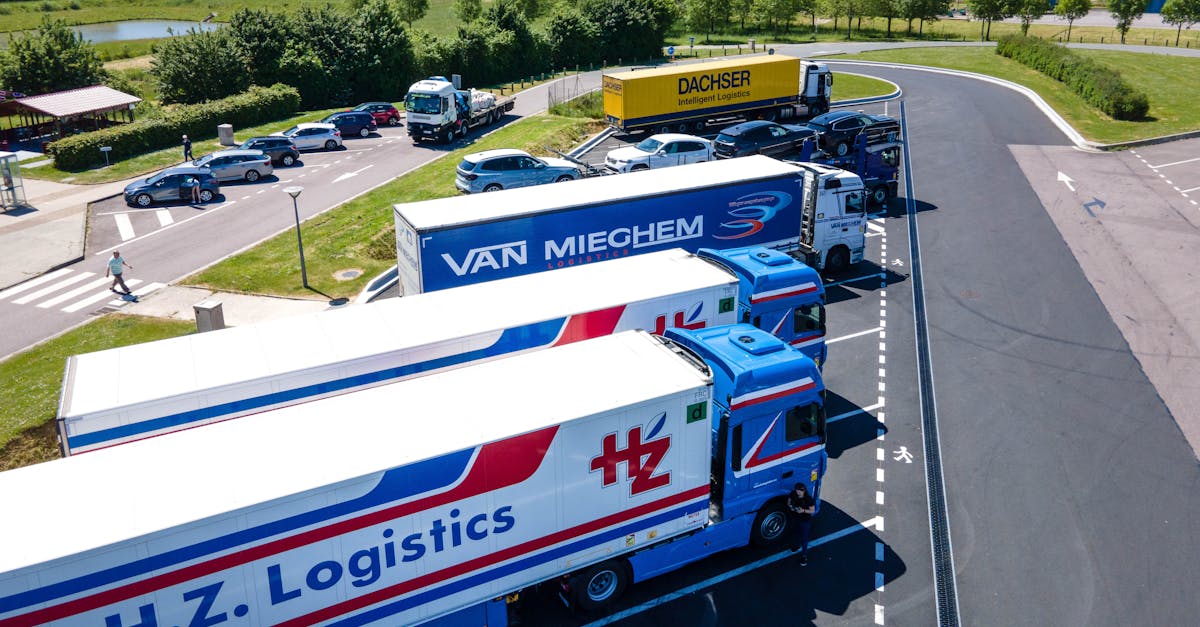
Introduction: Why Generic HR & Staffing Tools Fail in Logistics & Trucking
The logistics and trucking industry faces unique challenges that generic HR and staffing software simply can't address effectively. High turnover rates, driver shortages, complex regulatory compliance (DOT, hours of service), and the need to manage a dispersed workforce (often on the road) demand specialized solutions. While standard HRIS platforms offer basic functionalities like payroll and benefits administration, they lack the AI-powered features needed to optimize recruitment, retention, and overall workforce management within this demanding sector. From identifying and attracting qualified drivers to predicting employee churn and automating compliance tasks, the right AI tools can provide a significant competitive advantage. Generic tools often require extensive customization and integrations, leading to high costs and implementation headaches. This guide cuts through the noise and focuses on AI-powered solutions specifically designed to tackle the unique hurdles faced by logistics and trucking companies.
Top 3 AI-Powered HR & Staffing Tools for Logistics & Trucking
Here are three tools that leverage AI to address key HR and staffing challenges within the logistics and trucking industry.
1. DriverReach (Recruiting & Compliance):
- Focus: Driver recruitment, DOT compliance, and onboarding.
- AI Capabilities:
- AI-Powered Driver Sourcing: Identifies qualified candidates across multiple job boards, social media, and internal databases. Uses predictive analytics to score candidates based on their likelihood of success and retention within your company.
- Automated Compliance Checks: AI-driven background checks, MVR monitoring, and license verification to ensure drivers meet regulatory requirements. Flags potential compliance issues proactively.
- Streamlined Onboarding: Automates paperwork and training assignments based on driver qualifications and regulatory mandates. Reduces onboarding time and ensures consistent compliance.
- Why it Works: Specifically designed for the complexities of CDL licensing and DOT regulations, saving significant time and reducing compliance risk. Its intelligent matching algorithms ensure you're not wasting time on unqualified candidates.
2. WorkHound (Retention & Feedback):
- Focus: Employee feedback, sentiment analysis, and retention management, with a strong emphasis on drivers.
- AI Capabilities:
- Anonymous Feedback Platform: Allows drivers to provide anonymous feedback through various channels (mobile app, phone calls, text messages).
- AI-Powered Sentiment Analysis: Analyzes driver feedback to identify trends in morale, potential issues leading to turnover, and areas for improvement. Prioritizes critical issues based on severity and frequency.
- Predictive Churn Modeling: Uses AI algorithms to predict which drivers are most likely to leave based on their feedback, tenure, and other factors. Enables proactive intervention to improve retention.
- Why it Works: Driver turnover is a huge cost. WorkHound's AI provides actionable insights from driver feedback, allowing you to address issues before they escalate and drivers leave. The anonymity encourages honest feedback, which is crucial for understanding the real challenges your drivers face.
3. Paradox (Recruiting & Candidate Experience):
- Focus: Automating recruitment processes, improving candidate experience, and streamlining communication.
- AI Capabilities:
- Olivia (AI Assistant): An AI chatbot that automates tasks like answering candidate questions, scheduling interviews, and providing updates.
- Automated Screening: Uses AI to screen resumes and applications, identifying the best candidates based on pre-defined criteria (e.g., experience, qualifications).
- Personalized Candidate Experience: Delivers personalized communication and tailored information to candidates throughout the hiring process, improving engagement and conversion rates.
- Why it Works: Paradox's AI assistant can handle the repetitive tasks involved in recruiting, freeing up your HR team to focus on more strategic initiatives. The improved candidate experience helps attract top talent in a competitive market. The AI significantly speeds up the hiring process, addressing the urgency often needed to fill driver positions.
3-Step Automation Workflow for Logistics & Trucking Hiring, Payroll, and Employee Management (using Zapier)
This workflow leverages the power of Zapier to connect different AI-powered tools and automate key HR and staffing processes.
Step 1: Automated Candidate Sourcing and Initial Screening (DriverReach -> Paradox)
- Trigger: New qualified candidate identified in DriverReach based on AI-powered sourcing. (DriverReach Zapier Integration)
- Action: Add candidate information to Paradox and initiate AI-powered chat conversation with "Olivia" to answer initial questions and schedule a preliminary screening interview. (Paradox Zapier Integration)
Step 2: Automated Payroll Based on Hours Worked & Location (Time Tracking App -> Payroll System)
- Trigger: Driver submits hours worked through a GPS-enabled time tracking app (e.g., KeepTruckin, Samsara) and location data confirms route compliance. (Time Tracking App Zapier Integration)
- Action: Automatically populate timesheet in payroll system (e.g., Gusto, ADP) with hours worked and calculated pay, taking into account state-specific regulations and per diem allowances. (Payroll System Zapier Integration) A secondary action can also update driver performance metrics in your HRIS.
Step 3: Triggering Retention Initiatives Based on WorkHound Feedback (WorkHound -> Internal Communication/HRIS)
- Trigger: WorkHound AI identifies a negative sentiment trend related to a specific terminal or manager. (WorkHound Zapier Integration)
- Action: Automatically create a task in your project management system (e.g., Asana, Monday.com) for the HR team to investigate the issue and implement corrective actions. Optionally, trigger an automated message to the manager highlighting the feedback (using appropriate privacy controls). Simultaneously, update the HRIS with a flag noting the sentiment issue for that particular driver or group of drivers. (Asana/Monday.com/HRIS Zapier Integration).
Important Considerations:
- Data Privacy: Ensure compliance with all relevant data privacy regulations (e.g., GDPR, CCPA) when implementing these tools and automations.
- Training: Provide adequate training to your HR team on how to use these AI-powered tools and interpret the data they provide.
- Integration: Thoroughly test all integrations to ensure data accuracy and seamless workflow.
By implementing these AI-powered tools and automation workflows, logistics and trucking companies can significantly improve their HR and staffing processes, reduce costs, and gain a competitive edge in the war for talent.