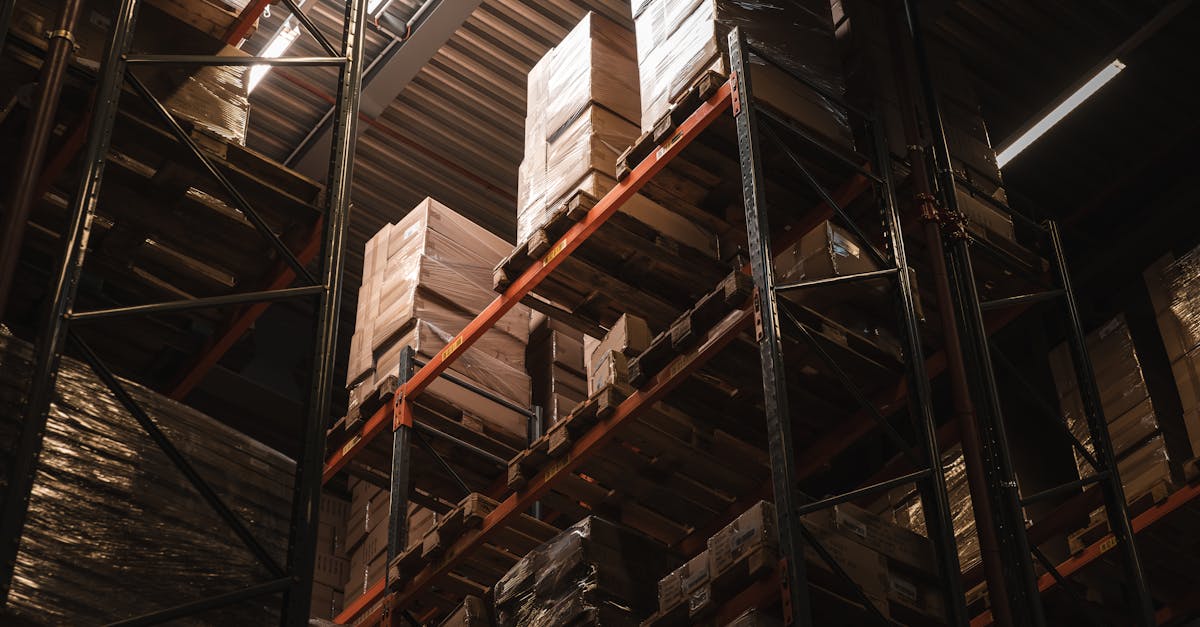
How Warehousing can use AI to Scale
The warehousing industry, a cornerstone of modern supply chains, is facing increasing pressure to deliver faster, cheaper, and more efficiently. While traditional warehouse management systems have provided a solid foundation, they often lack the intelligence needed to handle the complexities of today's dynamic market. Artificial intelligence (AI) is rapidly emerging as a game-changer, offering solutions to optimize operations, reduce costs, and scale effectively. This guide explores how AI can revolutionize warehousing and provides insights into leveraging its power.
1. The Current State: Why Warehousing is Ripe for Automation
Warehousing operations are inherently complex, involving intricate processes from receiving and put-away to order picking, packing, and shipping. These processes are often labor-intensive, prone to human error, and susceptible to bottlenecks. Several key factors contribute to the growing need for automation:
- E-commerce Boom: The exponential growth of e-commerce has led to a surge in order volumes, placing immense strain on warehouse operations. Meeting demanding delivery timelines and managing a wider array of SKUs requires unprecedented efficiency.
- Labor Shortages: The warehousing industry is facing a persistent labor shortage, making it difficult to find and retain skilled workers. This shortage is exacerbated by the demanding nature of the work and the relatively low pay.
- Increasing Customer Expectations: Customers now expect faster delivery times, accurate order fulfillment, and seamless returns. Meeting these expectations requires warehouses to operate with unparalleled precision and speed.
- Rising Operational Costs: Costs associated with labor, storage, and transportation are constantly increasing, impacting profitability. Warehouses need to find innovative ways to optimize resource utilization and reduce expenses.
These challenges highlight the urgent need for automation and AI-driven solutions that can enhance efficiency, reduce costs, and improve overall warehouse performance.
2. Use Cases: 3 Specific Ways to Use AI in this Field
AI can be implemented in various facets of warehousing to address key pain points and unlock new levels of efficiency. Here are three specific use cases:
-
Smart Inventory Management: Traditional stock counting is a time-consuming and often inaccurate process. AI-powered inventory management systems can leverage computer vision and machine learning to automate this task. Drones equipped with cameras can scan barcodes and RFID tags, providing real-time visibility into inventory levels and location. This eliminates manual counting, reduces stockouts, and improves inventory accuracy, optimizing inventory holding costs. AI algorithms can also analyze historical data to predict demand patterns, enabling proactive inventory planning and minimizing waste.
-
Optimized Order Picking Paths: Order picking is one of the most labor-intensive and time-consuming processes in the warehouse. AI-powered route optimization algorithms can analyze order data, warehouse layout, and real-time traffic conditions to determine the most efficient picking routes. This minimizes travel time, reduces worker fatigue, and increases order throughput. Furthermore, AI can be used to implement dynamic slotting, strategically placing high-demand items in easily accessible locations.
-
Intelligent Packing Optimization: Packing is another area where AI can drive significant improvements. AI-powered packing optimization solutions can analyze order contents, product dimensions, and packaging materials to determine the most efficient packing configuration. This minimizes packaging waste, reduces shipping costs, and improves package integrity. AI can also be used to automate the packing process with robotic arms and vision systems, further increasing efficiency and reducing labor costs.
3. Tool Recommendation: Software Types for Warehousing AI
Several types of software and hardware solutions can help warehouses implement AI-driven optimizations. It's crucial to assess your specific needs and choose solutions that integrate seamlessly with existing systems. Some examples include:
- Autonomous Mobile Robots (AMRs): Companies like Locus Robotics offer AMRs that work collaboratively with human workers to automate order picking and other tasks. These robots use AI to navigate the warehouse environment, optimize routes, and avoid obstacles.
- Warehouse Management Systems (WMS) with AI: Modern WMS platforms, such as NetSuite WMS, are increasingly incorporating AI and machine learning capabilities. These systems can provide real-time visibility into warehouse operations, predict demand, and optimize workflows.
- Robotics and Automation Solutions: Companies like GreyOrange offer comprehensive robotics and automation solutions for warehousing, including automated storage and retrieval systems (AS/RS), sortation systems, and robotic picking solutions.
When selecting tools, consider factors such as scalability, integration capabilities, cost-effectiveness, and ease of use. A pilot program is often recommended to test the effectiveness of a solution before full-scale implementation.
4. Conclusion: Future Outlook
The adoption of AI in warehousing is not merely a trend; it's a fundamental shift that will reshape the industry. As AI technology continues to advance, we can expect to see even more sophisticated solutions emerge, enabling warehouses to operate with unprecedented levels of efficiency, agility, and resilience. From intelligent inventory management to automated order fulfillment, AI is empowering warehouses to scale effectively, meet evolving customer demands, and thrive in the competitive landscape. Embracing AI is no longer a choice but a necessity for warehousing businesses seeking to secure a competitive advantage in the future.