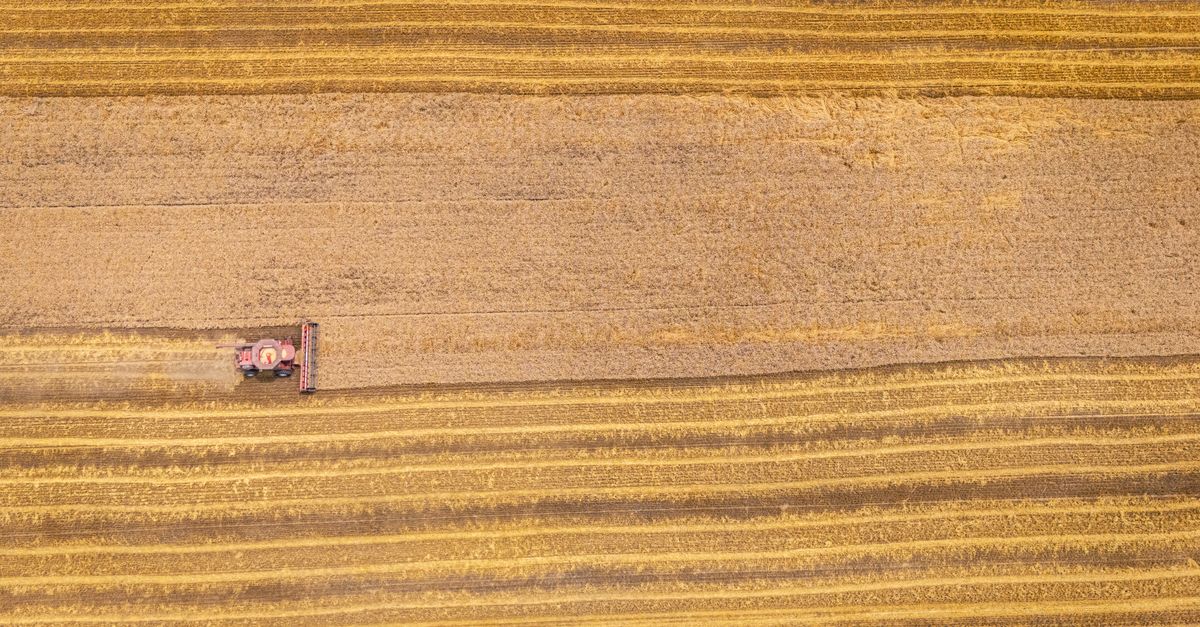
Harnessing the power of artificial intelligence and drone technology is no longer a futuristic fantasy for agriculture – it's the present-day reality driving significant improvements in efficiency, sustainability, and, most importantly, yield. For global business leaders navigating the complex landscape of modern farming, understanding the tangible benefits and strategic implementation of these technologies is crucial. This article serves as a definitive guide to unlocking higher yields through the intelligent integration of AI and drones. See our Full Guide for a more in-depth analysis.
The agriculture industry faces unprecedented challenges. A growing global population demands increased food production, while resources like arable land and fresh water are becoming increasingly scarce. Traditional farming methods, often reliant on generalized approaches to irrigation, fertilization, and pest control, are proving insufficient to meet these demands sustainably. Precision agriculture, leveraging data-driven insights powered by AI and delivered via drone technology, offers a viable and scalable solution.
Drone Technology: The Eyes in the Sky
Drones equipped with high-resolution cameras and advanced sensors are transforming how we monitor and manage crops. Their ability to capture vast amounts of data quickly and efficiently provides farmers with a comprehensive overview of their fields, far exceeding the capabilities of traditional scouting methods. Key applications of drone technology in agriculture include:
-
Crop Health Monitoring: Drones can capture multispectral and hyperspectral imagery, revealing subtle variations in plant health that are invisible to the naked eye. This allows farmers to identify areas affected by disease, nutrient deficiencies, or water stress early on, enabling targeted interventions before significant yield losses occur.
-
Field Mapping and Surveying: Drones can create detailed 3D maps of fields, providing accurate data on topography, drainage patterns, and vegetation density. This information is invaluable for optimizing irrigation systems, planning planting strategies, and managing soil erosion.
-
Livestock Monitoring: Drones can also be used to monitor livestock, tracking their movements, detecting signs of illness or injury, and ensuring their safety and well-being. This reduces labor costs and improves animal welfare.
-
Yield Estimation: By analyzing drone imagery, AI algorithms can accurately estimate crop yields weeks or even months before harvest. This information allows farmers to make informed decisions about marketing, storage, and logistics.
-
Targeted Spraying: Drones equipped with precision spraying systems can apply pesticides, herbicides, and fertilizers only where they are needed, reducing chemical usage, minimizing environmental impact, and saving costs.
AI: The Brain Behind the Data
The vast amounts of data collected by drones would be overwhelming without the power of artificial intelligence to analyze and interpret it. AI algorithms can process drone imagery, identify patterns, and generate actionable insights that farmers can use to improve their decision-making. Key applications of AI in agriculture include:
-
Predictive Analytics: AI models can analyze historical data, weather patterns, soil conditions, and drone imagery to predict future crop yields, disease outbreaks, and pest infestations. This allows farmers to proactively mitigate risks and optimize resource allocation.
-
Automated Disease and Pest Detection: AI algorithms can be trained to identify specific diseases and pests from drone imagery with high accuracy. This enables early detection and targeted treatment, minimizing crop damage and reducing the need for widespread chemical applications.
-
Precision Irrigation and Fertilization: AI can analyze data from soil sensors, weather forecasts, and drone imagery to optimize irrigation and fertilization schedules. This ensures that crops receive the right amount of water and nutrients at the right time, maximizing yields and minimizing waste.
-
Weed Detection and Management: AI-powered drones can identify and map weed infestations, allowing for targeted herbicide applications that reduce chemical usage and minimize environmental impact.
Strategic Implementation: Maximizing ROI
While the potential benefits of AI and drone technology in agriculture are significant, successful implementation requires a strategic approach. Business leaders should consider the following factors:
-
Define Clear Objectives: What specific problems are you trying to solve? What are your desired outcomes? Clearly defined objectives will guide your technology selection and implementation strategy.
-
Choose the Right Technology: Not all drones and AI solutions are created equal. Carefully evaluate your options based on your specific needs and budget. Consider factors like sensor capabilities, data processing power, and integration with existing farm management systems.
-
Invest in Training and Expertise: Implementing AI and drone technology requires specialized skills and knowledge. Invest in training your staff or partner with experienced consultants to ensure that you can effectively use and maintain the technology.
-
Data Management and Security: Drone imagery and AI-generated insights are valuable assets. Implement robust data management and security protocols to protect your data from unauthorized access and ensure its long-term availability.
-
Regulatory Compliance: Be aware of and comply with all relevant regulations regarding drone operation and data privacy.
The Business Case for AI and Drones
The integration of AI and drones into modern farming operations offers a compelling business case. By optimizing resource utilization, reducing waste, and minimizing crop losses, these technologies can significantly increase profitability. Key benefits include:
- Increased Crop Yields: Precision agriculture practices, enabled by AI and drones, can lead to significant increases in crop yields.
- Reduced Input Costs: Targeted irrigation, fertilization, and pest control reduce the consumption of water, chemicals, and energy, leading to lower input costs.
- Improved Resource Efficiency: AI optimizes resource allocation, ensuring that water, nutrients, and other inputs are used effectively.
- Enhanced Sustainability: Precision agriculture practices minimize environmental impact, promoting sustainable farming practices.
- Data-Driven Decision-Making: AI provides farmers with actionable insights that improve their decision-making and reduce risks.
Conclusion: The Future of Farming is Intelligent
AI and drone technology are revolutionizing modern farming, offering a pathway to increased yields, improved resource efficiency, and enhanced sustainability. By embracing these technologies and strategically implementing them within their operations, global business leaders can unlock the full potential of precision agriculture and secure a more sustainable and profitable future for their businesses. The time to invest in the intelligent future of farming is now.