Imagine a scenario where a medical emergency unfolds millions of miles from Earth. Every second counts, but communication delays stretch response times to agonizing lengths. This is the reality of deep-space missions, and it's a challenge that AI-powered wearables are poised to revolutionize. See our Full Guide on how AI is being used in similar mission-critical applications.
The current approach to astronaut health monitoring relies on population-averaged data, a blunt instrument for the uniquely demanding environment of space. Dr. Banafsheh Rekabdar, an assistant professor of computer science at Portland State University (PSU), is leading a NASA-funded project that’s shifting the paradigm. Her team is developing a personalized AI health monitoring system that learns each astronaut's individual physiological baseline, acting as a "digital guardian" during long-duration missions.
The Limitations of Traditional Monitoring
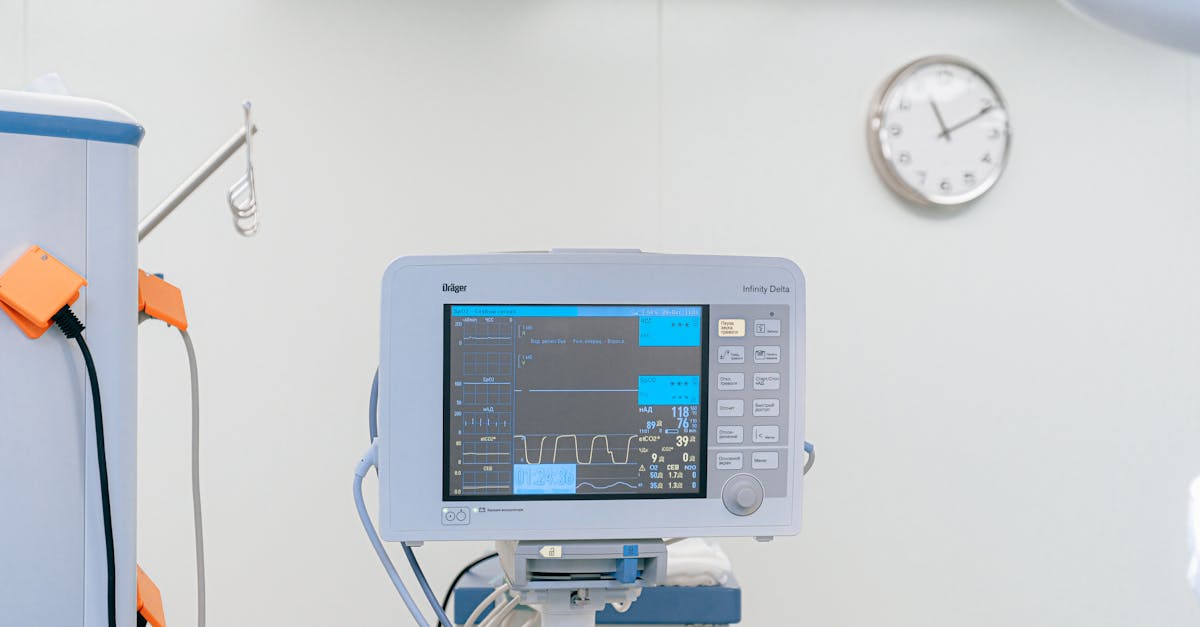
Traditional medical monitors use average vital sign data collected across a broad population. This approach fails to account for the individual variations in physiology and how those variations respond to the stresses of spaceflight. Factors like microgravity, radiation exposure, altered sleep cycles, and psychological stress all contribute to unique physiological responses in each astronaut.
Using population averages can lead to both false positives and false negatives. A slight deviation from the norm for one astronaut might trigger an unnecessary alert, while a significant change in another astronaut might go unnoticed because it falls within the average range.
AI: A Personalized Approach to Space Health
Rekabdar's team is creating an AI system that moves beyond population averages by establishing a personalized health profile for each astronaut. The system continuously monitors vital signs like heart rate, oxygen levels, breathing patterns, and other key metrics. By analyzing this data in the context of the astronaut's activities – sleep, exercise, work – the AI learns what is "normal" for that individual.
This personalized approach allows the AI to detect subtle deviations from an astronaut’s established baseline, signaling potential problems before they escalate into full-blown emergencies. The AI considers the context, differentiating between a normal increase in heart rate during exercise and an anomalous change that might indicate a cardiac event.
The Architecture of the AI-Powered Wearable System
The system comprises two key components:
- Wearable Sensors: These sensors continuously collect physiological data from the astronaut. These sensors could be integrated into existing wearable devices or designed as custom-built devices optimized for space environments.
- AI Engine: This is the core of the system. It ingests the sensor data, processes it in real-time, and identifies deviations from the astronaut's personalized baseline. The AI engine incorporates sophisticated machine learning algorithms capable of adapting to changes in an astronaut's physiology over time.
Addressing the Communication Delay Challenge
A critical driver behind this AI-powered approach is the communication delay inherent in deep-space missions. With potential delays of up to 40 minutes for a message to travel between Mars and Earth, real-time telemedicine is not feasible. Astronauts need an autonomous system capable of detecting and responding to medical emergencies without immediate intervention from Earth-based medical teams.
The "digital guardian" provides this autonomy. By acting as an early warning system, it gives astronauts the critical time needed to address medical issues before they become life-threatening. In some cases, the AI could even guide astronauts through treatment protocols, using pre-loaded medical knowledge and decision-support tools.
Safeguards and Ethical Considerations
While AI offers tremendous potential for improving astronaut health, it's essential to address potential risks and ethical concerns. Rekabdar’s team is taking a proactive approach by incorporating safeguards into the AI training process.
These safeguards ensure the AI maintains a core understanding of human physiology and doesn't make decisions that contradict established medical knowledge. The system is designed to learn and adapt, but within predefined boundaries that prevent it from deviating into unsafe or unreliable territory.
The Future of AI in Space Health
The development of AI-powered wearables for astronaut health monitoring is just the beginning. As AI technology continues to advance, we can expect even more sophisticated systems capable of providing:
- Predictive Analytics: Using AI to predict potential health risks before they manifest, allowing for proactive interventions.
- Personalized Treatment Plans: Tailoring treatment protocols to individual astronauts based on their unique physiological profiles and medical history.
- Remote Diagnostics: Enabling astronauts to perform complex medical diagnostics with the assistance of AI-powered tools.
The impact extends beyond space exploration. The technologies developed for astronaut health monitoring have potential applications in remote healthcare, disaster relief, and even personalized wellness programs for individuals on Earth.
The Business Implications
For business leaders, this innovation highlights several crucial points:
- The growing importance of personalized data: The shift from population averages to individual-specific insights is reshaping healthcare and beyond.
- AI as an enabler of remote operations: AI empowers organizations to operate in challenging environments where real-time human intervention is limited.
- The value of strategic partnerships: Collaboration between academic institutions, government agencies (like NASA), and private companies is critical for driving technological advancements.
The successful deployment of AI-powered wearables in space will not only protect the health of astronauts but will also pave the way for a new era of personalized and proactive healthcare solutions on Earth. The technology that keeps astronauts safe millions of miles away may soon be helping us all lead healthier lives, right here at home.