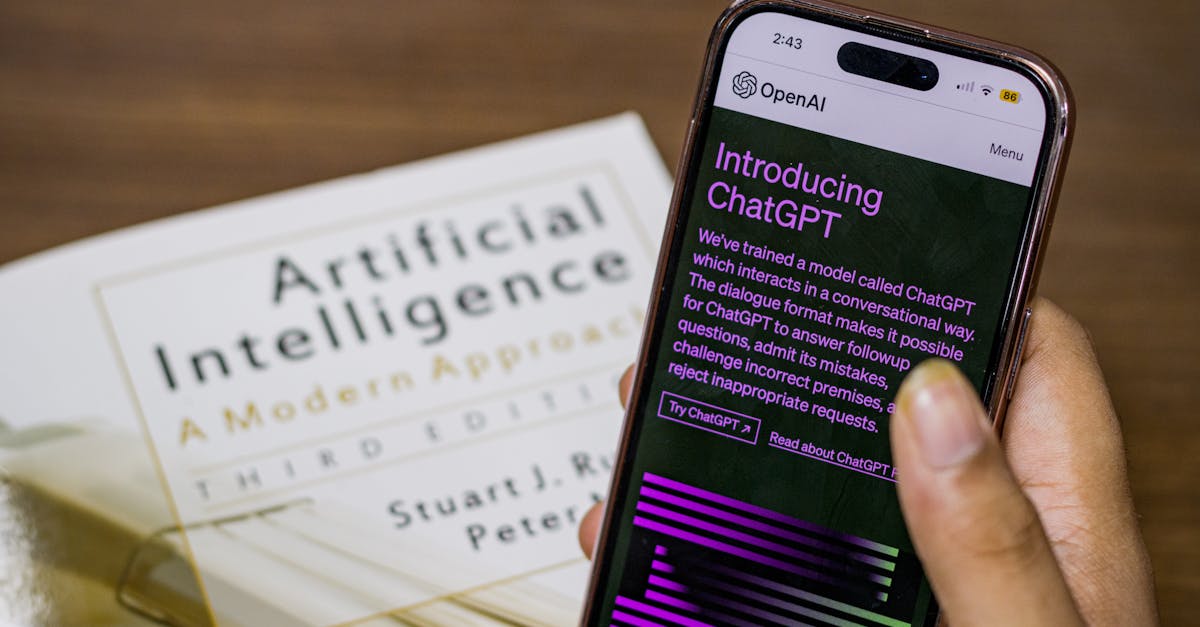
TL;DR: Anthropic and OpenAI are strategically restricting access to their latest AI models, Claude Mythos Preview and GPT-5.4-Cyber, respectively. This approach reflects differing philosophies: Anthropic prioritizes safety and controlled deployment to mitigate potential misuse by malicious actors, while OpenAI balances risk mitigation with broader access through tiered systems and iterative releases. These strategies reveal a growing tension between democratizing AI and managing its inherent risks in cybersecurity.

Why Are Anthropic and OpenAI Limiting Access to Their New AI Models?

Anthropic and OpenAI are limiting access to their new AI models to manage the risks associated with increasingly powerful AI technology, particularly in the realm of cybersecurity. These restrictions stem from a concern that unfettered access could enable malicious actors to exploit vulnerabilities and accelerate cyberattacks. Anthropic, with its Claude Mythos Preview, emphasizes the potential for misuse and adopts a highly selective release strategy, while OpenAI is navigating between controlled access and broader deployment with its GPT-5.4-Cyber model. Both approaches reflect a strategic decision to prioritize safety and control in the face of evolving AI capabilities.

How Does Anthropic's "Project Glasswing" Strategy Work?

Anthropic's "Project Glasswing," which involves the exclusive release of Claude Mythos Preview to a select group of companies like JPMorgan Chase, aims to ensure responsible use and gather targeted feedback in a controlled environment. This strategy allows Anthropic to closely monitor the model's deployment, identify potential vulnerabilities, and refine its safety measures before wider distribution. By limiting access, Anthropic hopes to mitigate the risk of misuse by hackers and other malicious actors who might exploit the model's capabilities for nefarious purposes, buying time to develop more robust defenses.

What are the possible drawbacks of restricting access to AI models?

Restricting access to AI models could stifle innovation and create an uneven playing field, potentially hindering the development of beneficial applications and concentrating power within a small group of tech giants. While safety concerns are paramount, overly restrictive measures might impede researchers and smaller organizations from contributing to AI safety and development. The resulting lack of diverse perspectives could slow the overall progress of AI and inadvertently create new vulnerabilities by limiting the scope of testing and feedback.

How Does OpenAI Balance Access and Security with GPT-5.4-Cyber?

OpenAI balances access and security with GPT-5.4-Cyber through a tiered approach combining controlled partnerships, iterative deployment, and robust security investments. They emphasize "know your customer" validation and "Trusted Access for Cyber" (TAC) systems to grant access as broadly as possible while maintaining oversight. OpenAI also focuses on iterative deployment, refining capabilities based on real-world feedback, and investing in software security and digital defense to counter potential misuse. This strategy aims to democratize access while proactively mitigating cybersecurity risks.

What is OpenAI's "Trusted Access for Cyber" (TAC) system?

OpenAI's "Trusted Access for Cyber" (TAC) system is an automated mechanism designed to control and monitor access to new AI models, ensuring that legitimate users can access the technology while preventing misuse. Introduced in February, TAC allows OpenAI to validate users and organizations, granting access based on specific criteria and intended use cases. By automating this process, OpenAI seeks to avoid arbitrary decisions about who gets access, promoting a more democratized approach while still maintaining a layer of security and accountability.

How does iterative deployment help OpenAI improve model safety?

Iterative deployment helps OpenAI improve model safety by allowing the company to carefully release new AI capabilities, gather real-world feedback, and refine its models based on practical insights. This process involves monitoring how the models perform in various scenarios, identifying vulnerabilities, and addressing issues such as "jailbreaks" and adversarial attacks. By continuously learning from real-world usage, OpenAI can enhance the resilience and defensive capabilities of its AI models, making them more robust against potential threats and misuse.

What are the Broader Implications of Closed AI Strategies for the Industry?

Closed AI strategies signal a shift in the industry toward prioritizing safety and security, potentially reshaping the landscape of AI development and deployment. This approach may lead to increased regulation, greater scrutiny of AI applications, and a more cautious approach to releasing new technologies. While safety is paramount, the long-term implications could include slower innovation, reduced competition, and a concentration of power among a few large players who can afford the necessary security measures.

How Might These Strategies Affect Smaller AI Companies and Startups?

These strategies might disadvantage smaller AI companies and startups, who may lack the resources to implement the stringent security measures and navigate the complex regulatory landscape required for accessing and deploying advanced AI models. Restricted access could hinder their ability to compete with larger, well-funded organizations, potentially stifling innovation and limiting the diversity of AI applications. This could lead to a market dominated by a few major players, reducing overall dynamism and potentially slowing the pace of progress in the field.

Will concerns about AI safety lead to greater regulation of the industry?

Concerns about AI safety are likely to lead to greater regulation of the industry, as governments and regulatory bodies seek to address the potential risks associated with advanced AI technologies. Increased regulation could involve stricter guidelines for data privacy, algorithmic transparency, and security protocols, as well as oversight of AI development and deployment processes. While the goal is to mitigate risks and ensure responsible AI practices, overregulation could stifle innovation and create barriers to entry for smaller players, potentially shaping the future of the AI landscape.

Key Takeaways

  • Prioritizing AI safety through controlled access and iterative deployment is becoming a key strategy for leading AI developers like Anthropic and OpenAI.
  • Balancing security with broader access is a critical challenge, requiring innovative approaches such as tiered access systems and continuous monitoring.
  • Closed AI strategies have significant implications for the industry, potentially impacting competition, innovation, and the overall landscape of AI development and deployment.