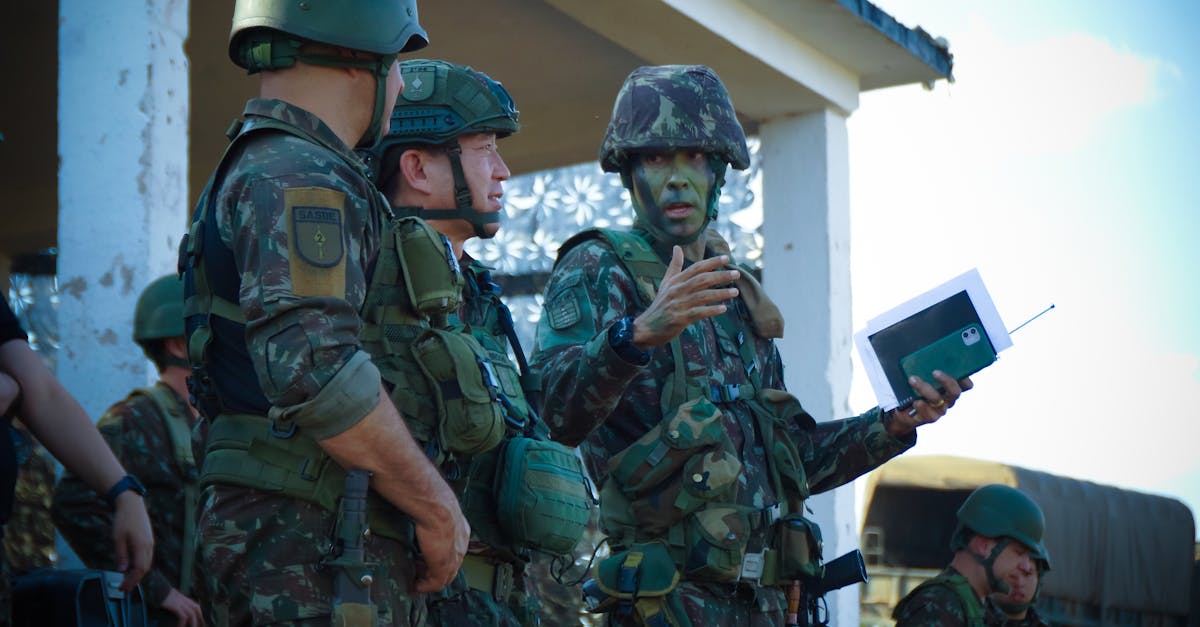
Recent reports highlighting the US military's use of Anthropic’s Claude AI model in sensitive operations targeting leaders in Venezuela and Iran have sent ripples through the defense and technology sectors. These revelations, while raising ethical questions and sparking debate about the readiness of AI for high-stakes environments, also signify a pivotal moment: the definitive arrival of generative AI as a force multiplier in national defense. See our Full Guide
For global business leaders, this development demands careful consideration. It's not simply about futuristic weaponry or autonomous drones; it's about a fundamental shift in how intelligence is gathered, analyzed, and acted upon, impacting everything from geopolitical strategy to the future of the defense industry.
The reported use of Claude underscores several key implications:
1. Accelerated Intelligence and Analysis: Generative AI models like Claude excel at processing vast datasets, identifying patterns, and generating insights far more rapidly than traditional methods. In the context of military operations, this translates to faster and more accurate target analysis, risk assessment, and strategic planning. The ability to sift through massive quantities of data, including open-source intelligence, social media feeds, and classified documents, allows for a more comprehensive understanding of complex situations and potential threats.
2. Enhanced Decision-Making: By providing decision-makers with synthesized information and scenario simulations, AI can significantly improve the quality and speed of decision-making in critical situations. Instead of relying solely on human analysts, military leaders can leverage AI to explore multiple options, assess potential consequences, and identify optimal courses of action. This enhanced decision-making capability can lead to more effective operations and reduced risk of unintended consequences.
3. Personalized and Adaptive Strategies: Generative AI is not a one-size-fits-all solution. These models can be customized and adapted to specific operational environments, taking into account local conditions, cultural nuances, and evolving threat landscapes. This adaptability allows for the development of more targeted and effective strategies, minimizing collateral damage and maximizing mission success. The ability to tailor AI models to specific contexts is a key advantage over previous generations of AI technology.
4. The "AI-First" Military and the Race for Dominance: The US military's push for an "AI-first" approach, as highlighted by the Trump administration's initiatives and further propelled by subsequent administrations, reflects a growing recognition that AI is essential for maintaining a competitive edge in the 21st century. This push is not isolated to the US. Nations worldwide are investing heavily in AI capabilities for defense, leading to what some experts are calling an "AI-arms race". Businesses operating in the defense sector must understand this competitive landscape and invest in AI research and development to remain relevant.
5. Ethical Considerations and the Need for Guardrails: The rapid adoption of AI in military operations raises significant ethical concerns. The potential for bias in AI algorithms, the risk of unintended consequences, and the lack of transparency in AI decision-making all demand careful consideration. The warning from experts like Heidy Khlaaf about the potential for unreliable or incorrect outputs from large language models is particularly pertinent. While AI can enhance decision-making, it should never replace human oversight and judgment. Establishing clear ethical guidelines and safety protocols is crucial to ensure that AI is used responsibly and effectively in the defense sector. Anthropic's partnership with the US military to "anticipate and mitigate potential adversarial uses of AI," and identify adoption risks suggests these issues are being considered, but widespread global dialogue is necessary.
6. Transparency and the "Zone of Invisibility": As noted by Elke Schwarz, the "inherent lack of transparency" surrounding the use of AI in military operations presents a unique challenge. Unlike traditional weapons systems, AI operates largely within the digital realm, making it difficult to assess its capabilities, limitations, and potential impacts. This "zone of invisibility" can erode public trust and fuel concerns about accountability. Greater transparency is needed to ensure that AI is used in a manner that is consistent with democratic values and international law.
7. The Evolving Role of Human Intelligence: While AI can automate many aspects of intelligence gathering and analysis, it cannot replace the critical role of human intelligence. Human analysts bring unique skills and perspectives, including critical thinking, cultural understanding, and ethical judgment, that are essential for interpreting AI outputs and making informed decisions. The future of intelligence lies in a synergistic relationship between humans and AI, where each complements the strengths of the other.
8. Implications for the Defense Industry: The rise of AI in military operations presents both opportunities and challenges for the defense industry. Companies that can develop and deploy innovative AI solutions will be well-positioned to capitalize on the growing demand for these technologies. However, companies that fail to adapt to the AI revolution risk becoming obsolete. The need for specialized AI skills, data management expertise, and ethical considerations will reshape the talent landscape and supply chains within the defense industry.
9. Investment and Innovation: The US government's significant investment in AI-related military projects, including AI-powered counter-drone systems and advancements in cyber capabilities, signals a clear commitment to leveraging AI for national security. This investment will drive innovation across a range of sectors, from software development to hardware manufacturing. Businesses seeking to tap into this market must focus on developing cutting-edge AI solutions that address the specific needs of the military.
Conclusion:
The use of Anthropic’s Claude in sensitive military operations marks a paradigm shift in national defense. While ethical considerations and the need for robust safety protocols remain paramount, the potential benefits of generative AI for intelligence gathering, decision-making, and strategic planning are undeniable. For global business leaders, understanding these implications is crucial for navigating the evolving landscape of the defense sector and capitalizing on the opportunities presented by the AI revolution. The ongoing "trial phase" signifies that this is only the beginning of a transformative journey. Businesses must embrace this new reality and strategically position themselves to thrive in an increasingly AI-driven world.