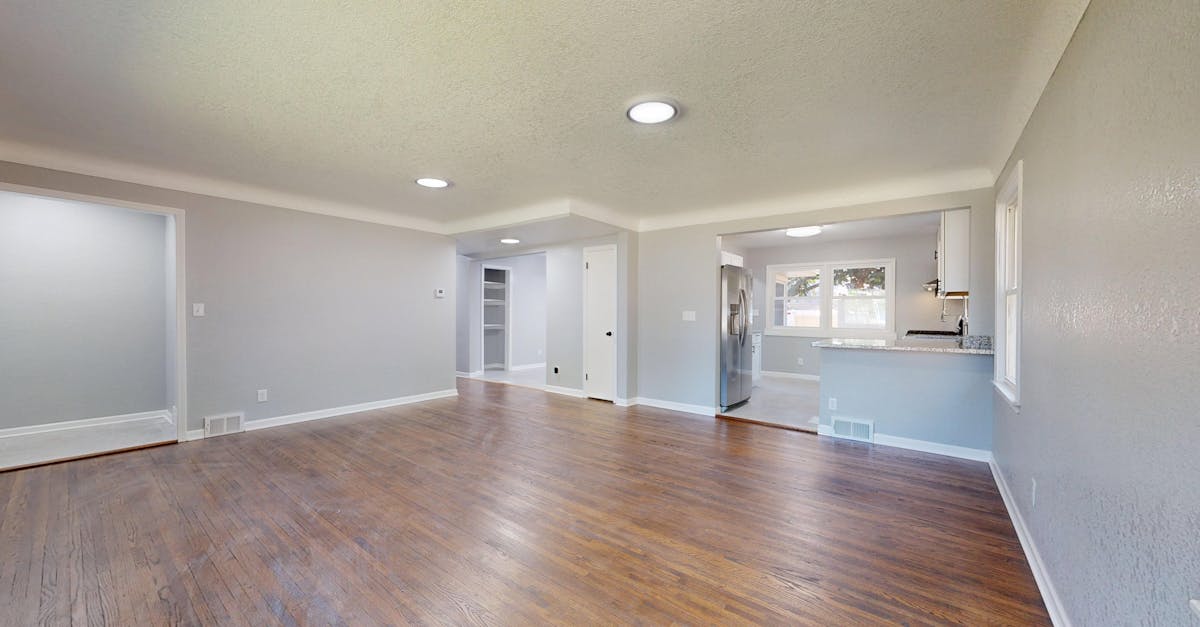
Imagine walking through the front door of a vacant property and being instantly transported into your future dream home. The empty, echoing space is suddenly filled with the warm glow of a perfectly styled living room, a dining set ready for family gatherings, and a bedroom that promises restful nights. This isn't a scene from a sci-fi movie; it’s the immediate, persuasive power of virtual staging, a technological revolution that is fundamentally altering how properties are marketed and sold across the globe. In a market where first impressions are everything, virtual staging provides the ultimate tool to capture buyer imagination and emotion from the very first click. See our Full Guide
At its core, virtual staging is the process of using sophisticated computer-generated imagery (CGI) to digitally furnish and decorate photographs of empty rooms. Highly skilled artists utilize specialized software to add furniture, artwork, rugs, lighting fixtures, and even decorative accessories to a bare space. The result is a photorealistic image that is often indistinguishable from a photograph of a physically staged room. This technology allows real estate professionals to present a property not as a hollow shell, but as a warm, inviting, and livable home, all without the immense cost, logistical hassle, and time investment of traditional staging. This offers significant advantages in today’s fast-paced and competitive real estate landscape.
The Economic Edge: Cost-Effectiveness and Scalability
The most frequently cited benefit of virtual staging is its dramatic cost savings. Traditional staging can cost thousands of dollars per month, a significant investment for a listing that may or may not sell quickly. This expense includes not only furniture rental but also delivery, setup, insurance, and potential damage. Virtual staging, by contrast, is a fraction of the price, often costing a few hundred dollars for an entire property. This democratizes high-quality marketing, making it accessible for properties at every price point. Consider the implications for portfolio management: staging dozens or hundreds of properties physically becomes prohibitively expensive. Virtual staging provides a scalable solution that maintains visual appeal across an entire portfolio.
However, the advantages extend far beyond the financial. Where traditional staging is largely a one-and-done endeavor, virtual staging is infinitely malleable. A single empty room can be transformed into a modern minimalist lounge, a cozy traditional family room, or a vibrant bohemian retreat. This allows agents to target specific demographics or test different styles to see what resonates most with potential buyers. A children’s bedroom can be created to appeal to young families, while a sleek office can be designed to attract remote workers. This level of targeted customization is simply impossible with physical furniture.
Speed to Market: Agility in a Competitive Environment
In a fast-moving market, speed is critical. Every day a property sits vacant is a day of lost potential. Physical staging requires coordinating deliveries, movers, and installers, a process that can take days or even weeks. A virtual staging project can be completed and delivered within a matter of days, often within 48 hours, allowing a new listing to hit the market at its peak moment of interest. This agility is a massive strategic advantage, allowing real estate professionals to capitalize on fleeting market opportunities. Imagine securing a listing on Monday and having it beautifully staged and online by Wednesday – a turnaround time virtually impossible with traditional methods.
The Emotional Connection: Visualizing the Future
Humans are emotional buyers, especially when it comes to their homes. An empty room is just dimensions and angles; it’s abstract and difficult to connect with. A virtually staged room tells a story. It helps buyers visualize their lives within those walls—where they would place their own couch, how they would host dinner parties, where their children would play. It transforms a property from a concrete structure into a canvas for aspiration, forging a powerful emotional connection that drives offers. Studies have shown that staged homes, whether physically or virtually, receive higher offers and sell faster than their unstaged counterparts. This translates to increased revenue and faster inventory turnover.
Online Engagement: Capturing Attention in a Digital World
Over 95% of homebuyers begin their search online, scrolling through countless listings. A vacant property photograph is often scrolled past in a fraction of a second. A professionally staged, beautiful image stops the scroll. It generates more clicks, more saves, and more shares on listing platforms. This increased engagement directly translates into more showings and, ultimately, a higher likelihood of a sale. High-quality virtual staging elevates a listing above the competition, attracting a wider pool of potential buyers and driving greater interest. This is particularly crucial in densely populated markets where listings vie for attention.
Ethical Considerations: Transparency and Trust
With great power comes great responsibility. The realism of virtual staging raises valid ethical questions. Is it deceptive to show a room with furniture that isn’t actually there? The key, as with all marketing, is transparency. Virtual staging is a tool for enhancement, not deception. Its purpose is to showcase the potential of a space, not to misrepresent its actual condition or hide material defects.
Ethical practitioners adhere to a few crucial guidelines. All virtually staged photos should be clearly labeled as such in the listing description. The photography of the property itself must be accurate and should never be altered to change the actual architecture—for example, making a small room appear larger by using a wider lens or removing a structural column is unethical. The goal is to help buyers imagine the potential, not to trick them. Furthermore, it is considered best practice to also include the original, empty photos in the listing gallery, providing full transparency and allowing buyers to see the true blank slate they are purchasing. Maintaining ethical standards builds trust and protects the reputation of both the agent and the industry.
The Blended Approach: Finding the Right Balance
The process of creating compelling virtual staging is both an art and a science. The debate between virtual and traditional staging is often framed as an either/or proposition, but this is a false dichotomy. Each has its place. Traditional staging remains beneficial for high-end properties or those targeting a specific demographic where the tactile experience is paramount. However, for many properties, particularly those in mid-range markets, a blended approach offers the optimal solution. This might involve physically staging key areas, such as the living room and master bedroom, while virtually staging secondary spaces. This approach maximizes impact while minimizing costs.
Ultimately, virtual staging is a powerful tool that, when used ethically and strategically, can significantly enhance the marketing and sales process for empty listings. By understanding its capabilities and implementing best practices, real estate professionals can leverage virtual staging to capture buyer imagination, drive online engagement, and accelerate sales, leading to increased profitability and a competitive edge in today's dynamic market.