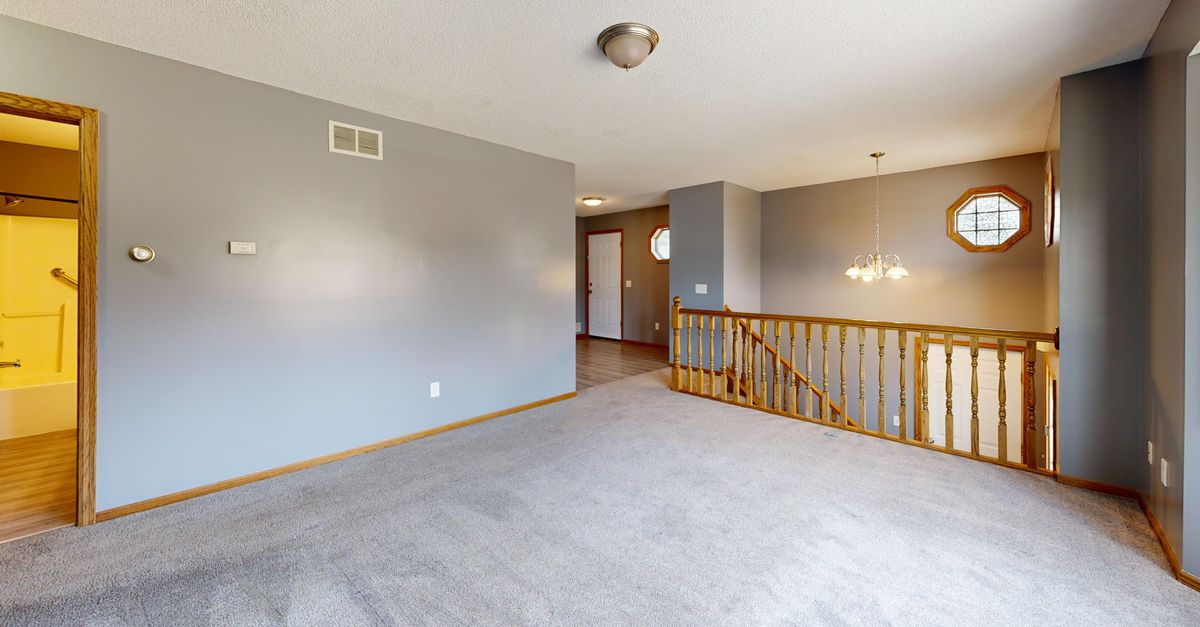
In today's competitive real estate market, capturing attention and making a lasting impression is paramount. Empty properties, however, often present a challenge: their lack of warmth and context can hinder a potential buyer's ability to envision the space as their future home. Traditional staging, with its hefty price tag and logistical complexities, has long been the standard solution. But what if there was a more efficient, cost-effective, and versatile alternative? Enter AI-powered virtual staging. See our Full Guide
Virtual staging leverages the power of artificial intelligence to digitally furnish and decorate empty or outdated spaces. This allows real estate professionals, property developers, and even homeowners to showcase a property's full potential without the expense, time commitment, and hassle associated with traditional staging methods.
The Economic Imperative: Why Virtual Staging Makes Financial Sense
The financial advantages of virtual staging are undeniable. Traditional staging can easily cost upwards of $3,000 to $10,000 per property, encompassing furniture rentals, delivery, setup, and removal. Moreover, the process can take weeks to arrange. Virtual staging, on the other hand, delivers comparable benefits for a fraction of the cost – typically ranging from $150 to $500 for an entire home. This represents a cost reduction of 90-95%, allowing businesses to allocate resources to other critical areas. The turnaround time is equally impressive, with results often available in minutes rather than weeks. This speed allows for rapid iteration and immediate updates to online listings, accelerating the sales cycle.
Unlocking Potential: Addressing the Challenges of Vacant Properties
Empty rooms often appear smaller and less inviting than furnished spaces. This can negatively impact a buyer's perception of the property's size and potential. Virtual staging effectively mitigates this issue by creating warm, welcoming environments that help buyers visualize themselves living in the space. It provides context, scale, and a sense of belonging, transforming sterile environments into desirable homes.
Furthermore, virtual staging empowers you to showcase properties with outdated décor or those undergoing renovation. It allows you to present a vision of the property's future, without requiring current owners to [invest](/articles/what-bain-s-human-centric-ai-strategy-reveals-about-the-flaws-in a-tech-only-investment-approach/) in costly updates or forcing potential buyers to rely solely on their imagination. This is particularly crucial in attracting buyers who may be deterred by dated aesthetics but are open to the possibility of modernizing the space.
Beyond the Sale: Versatile Applications for Diverse Stakeholders
The benefits of virtual staging extend far beyond simply selling vacant homes. Consider the following applications:
- New Construction Pre-Sales: Visualize finished spaces before construction is complete. This allows property developers to accelerate pre-sales by providing potential buyers with a tangible representation of the finished product. High-quality renderings showcase design options and floor plans in a compelling manner.
- Rental Properties: Attract tenants to vacant rental units by showcasing furnished apartments without the need to physically purchase and install furniture. This is especially valuable for attracting potential renters who are seeking move-in ready solutions.
- Interior Design: Use virtual staging to present design concepts to clients, win proposals, and test layouts before committing to furniture purchases. This allows clients to visualize the designer's vision and provide valuable feedback before significant investments are made.
- Homeowners: Visualize potential renovations, plan furniture purchases, and prepare properties for sale by showcasing their best features.
Best Practices for Maximizing Impact
To maximize the effectiveness of virtual staging, consider the following best practices:
- Focus on Key Rooms: Prioritize the living room, master bedroom, and kitchen, as these areas typically have the greatest impact on potential buyers.
- Create Lifestyle Shots: Show how spaces can be used for different activities, such as remote work, entertaining, or relaxation. This helps buyers connect with the property on a personal level.
- Highlight Key Features: Use staging to draw attention to architectural details, desirable views, or unique characteristics that differentiate the property.
- Test Different Styles: Experiment with various design aesthetics to identify what resonates best with your target market.
- Maintain Consistency: Ensure all renders are photorealistic, properly lit, appropriately scaled, and consistent with the overall design aesthetic.
The Future of Real Estate Marketing: Embracing AI-Powered Solutions
As AI technology continues to advance, virtual staging is rapidly becoming an essential tool for anyone involved in marketing properties. Its ability to deliver high-quality, visually compelling representations of a property's potential, at a fraction of the cost and time of traditional staging, makes it an indispensable asset.
Virtual staging delivers proven benefits, including faster sales, increased property views, and potentially higher selling prices. It eliminates the cost, time, and logistical hurdles associated with traditional staging, making it an accessible and efficient solution for businesses of all sizes.
Don't let empty spaces limit your property's appeal. By embracing AI-powered virtual staging, you can show buyers the dream home they are searching for, transforming vacant properties into desirable residences. Consider how exterior visualization using AI can also maximize your home's value by optimizing landscaping, siding, and architectural details. For dedicated virtual staging capabilities optimized specifically for real estate professionals, explore resources like VirtualStagingWithAI.com. First impressions matter, and virtual staging empowers you to make them count.