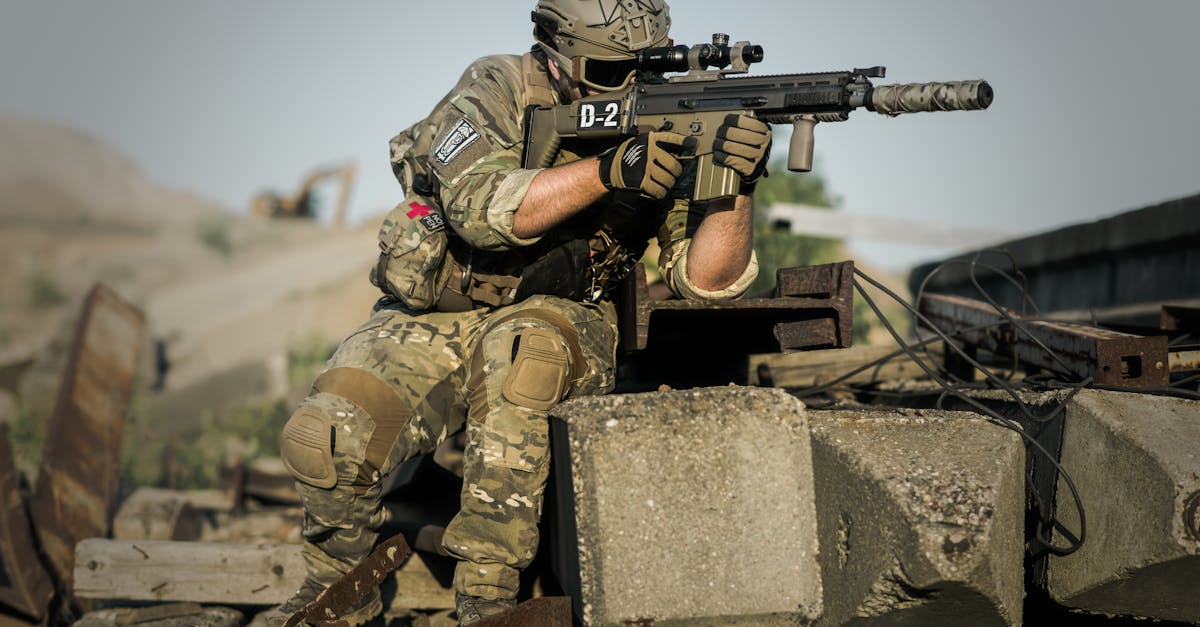
The U.S. Army is embarking on a profound transformation, one that sees artificial intelligence (AI) not as a futuristic possibility, but as a critical component of its strategic arsenal. From simulating complex combat scenarios to streamlining procurement processes, the Army's practical blueprint for AI integration is rapidly evolving. See our Full Guide for a deeper dive into this critical shift.
The New Strategic Imperative: AI in Modern Warfare
The global military landscape is undergoing a profound transformation driven by technology, with AI at its epicenter. The character of warfare is shifting, demanding immediate and decisive adaptations in acquisition strategies to ensure operational aptitude and effectiveness. AI is no longer a peripheral advantage but a cornerstone of military operations, influencing everything from strategic-level decision-making to tactical execution. It enhances operational efficiency, provides unparalleled analytical capability, and is fundamentally reshaping future geopolitical scenarios.
Nations are in a race to integrate these technologies, understanding that the military that can best harness AI will hold a significant advantage. This isn’t merely a race to build autonomous weapons; it’s a strategic imperative to establish cognitive overmatch, dominating the intellectual and decision-making process battlespace, effectively turning modern warfare into a high-stakes game of speed chess. The advantage does not go to the player with the most pieces, but to the one who can process the state of the board, identify patterns and constantly execute decisive moves while their opponents are still thinking.
AI provides unmatched cognitive velocity, data processing and analysis of information at a speed and scale impossible for humans, turning vast datasets from the battlefield into actionable intelligence and productive decisions. As the conflict in Eastern Europe has demonstrated, the effective use of AI for target recognition, data analysis and drone operations can be a decisive factor, allowing a smaller, technologically adept force to challenge a larger adversary.
The U.S. Army must not only keep pace, but lead and dominate in harnessing these technologies to maintain national security, as outlined in its Army Futures Command Concept for Maneuver in Multi-Domain Operations 2028. The primary challenge is that the Army’s current acquisition strategies were designed for an industrial age of hardware, not a digital age of software. The rapid, iterative development cycles of AI are often too fast for these slow and rigid processes to accommodate.
Consider the Federal Risk and Authorization Management Program (FedRAMP), a mandatory security vetting process for cloud technologies. The authorization timeline, typically lasting between 6 and 18 months, serves as a significant bottleneck, preventing the timely deployment of cutting-edge AI tools and creating a substantial lag between commercial innovation and government implementation.
From Simulation to Strategic Foresight: AI in Action
Recent exercises offer a glimpse into the Army's commitment. During Warfighter Exercise simulations at Fort Bragg, North Carolina, soldiers from the 419th Contracting Support Brigade and 143rd Expeditionary Sustainment Command utilized AI-powered systems like the Maven Smart System to conduct 51C contingency contracting operations. This exemplifies the shift towards AI-driven decision-making even in traditionally human-centric domains.
The Army's vision extends beyond simulation. It encompasses:
- Predictive Logistics: AI algorithms can analyze vast datasets to predict equipment failures, optimize supply chains, and ensure resources are available where and when they are needed. This minimizes downtime and enhances operational readiness.
- Enhanced Intelligence Gathering: AI can sift through massive amounts of data from various sources – satellite imagery, social media, sensor networks – to identify patterns, predict enemy movements, and provide actionable intelligence to commanders.
- Autonomous Systems: From unmanned aerial vehicles (UAVs) for reconnaissance to autonomous ground vehicles for logistical support, AI is enabling the development of systems that can operate with minimal human intervention, reducing risk and increasing efficiency.
- Cybersecurity: AI can play a crucial role in detecting and responding to cyber threats, protecting critical infrastructure and sensitive data from malicious actors.
- AI-assisted Maintenance: The U.S. Army Communications-Electronics Command is testing AI-assisted maintenance (AIAM) tools to help Soldiers quickly diagnose and repair equipment in the field, minimizing downtime and improving operational readiness.
Addressing the Acquisition Challenge: A Call for Agile Strategies
The successful integration of AI requires a fundamental shift in acquisition strategies. The traditional, lengthy procurement cycles are ill-suited to the rapid pace of AI development. The Army needs to embrace agile methodologies, fostering closer collaboration with private sector innovators and streamlining the approval process. Key areas for focus include:
- Dynamic Contracting Mechanisms: Implementing more flexible contract vehicles that allow for iterative development, continuous improvement, and rapid deployment of AI solutions.
- Public-Private Partnerships: Fostering closer collaboration with the private sector to leverage their expertise and accelerate the development and deployment of cutting-edge AI technologies.
- Standardized Data Frameworks: Establishing common data standards and protocols to ensure interoperability and facilitate the seamless integration of AI systems across different platforms and domains.
- Ethical AI Development: Prioritizing ethical considerations in the development and deployment of AI systems, ensuring fairness, transparency, and accountability.
Investing in the Future: Workforce Development
Technology alone isn't enough. The Army must invest in upskilling its personnel to effectively leverage AI capabilities. This includes training soldiers and officers in data science, machine learning, and AI ethics. The transformation of the 51C workforce from traditional transactional roles to strategic acquisition leaders is essential for empowering personnel to navigate the complexities of modern algorithmic procurement effectively. Upskilling in AI, cybersecurity, ethics and energy markets will enhance capabilities, build public trust through transparency and ensure alignment with military objectives.
The Road Ahead: A Strategic Imperative
The U.S. Army's journey towards AI integration is not without its challenges. However, the potential benefits are too significant to ignore. By embracing agile acquisition strategies, fostering public-private partnerships, and investing in workforce development, the Army can harness the power of AI to maintain its strategic advantage and secure its position as a global leader in defense. The future of warfare is here, and the U.S. Army is actively shaping it. The strategic blueprint is being written, not in boardrooms, but in simulated battlefields and through the hard work of soldiers and innovators alike. The race is on to dominate the algorithmic battlespace, and the U.S. Army intends to lead the charge.